How to Protect Your OnlyFans Content from Being Leaked
•
by Anna Tipenko
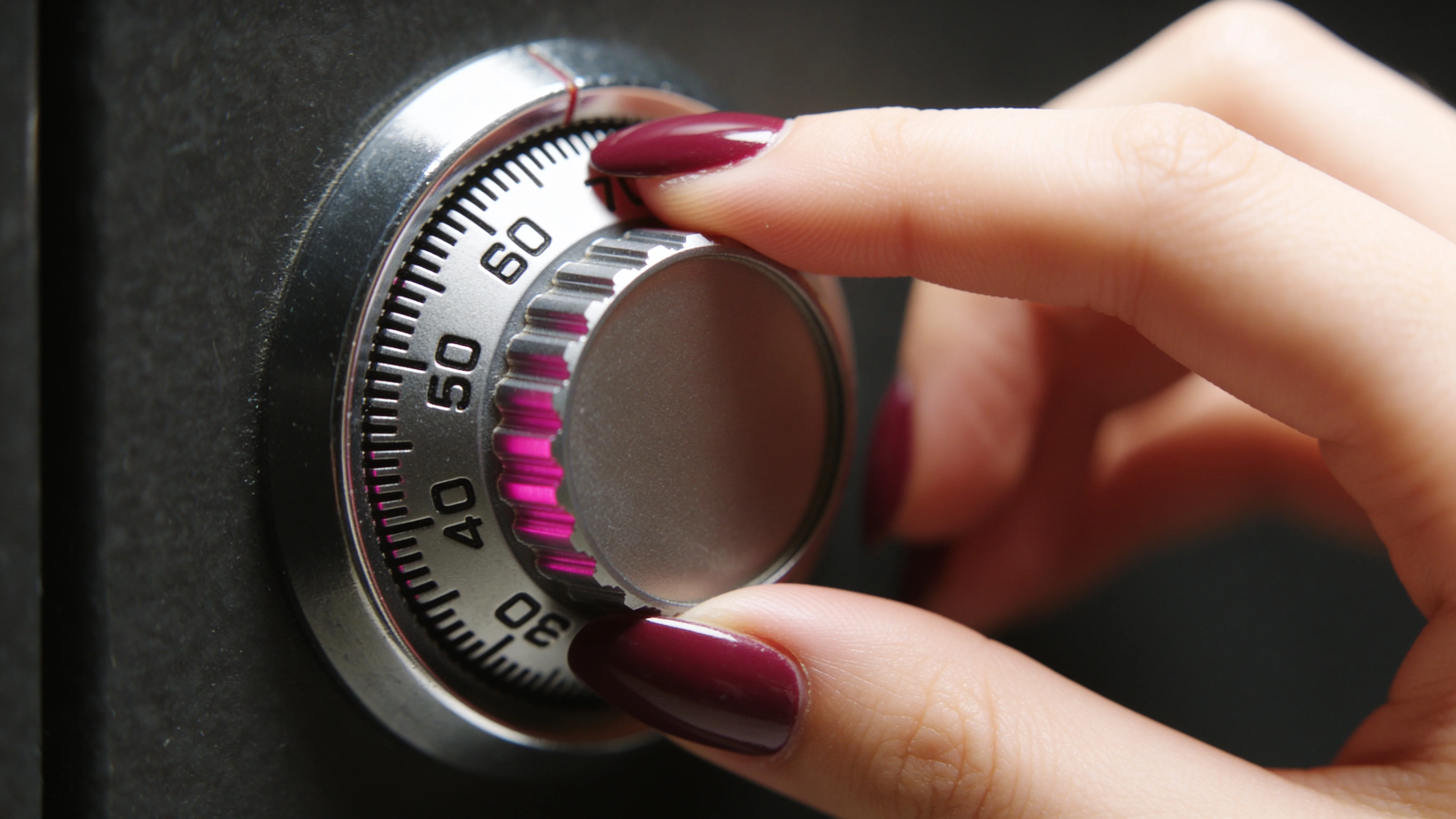
How to Protect Your OnlyFans Content from Being Leaked
It is worth being honest from the start: no set of practices makes content fully leak-proof. Digital content can ultimately be screen-recorded or photographed by anyone who can see it, and no creator, platform, or agency can change that underlying fact. What you can genuinely control is how much you reduce the risk, how much you limit the damage when something does get out, and how quickly you respond when it happens. This post covers the real, practical layers of protection worth putting in place, what to actually do if a leak has already happened, and why this is something to manage continuously rather than solve once and forget about.
Setting honest expectations before anything else
Understanding what is and is not actually preventable changes how you approach this whole topic, and it is worth getting right before looking at any specific tactic. The technical reality is that any content a subscriber can see, she can also capture in some form, a screenshot, a screen recording, a photo of a screen with a second device. No watermark, no platform setting, and no monitoring tool can physically stop that initial capture from happening, because it happens entirely outside the platform's control, on a device the platform does not manage.
What the practices in this post actually do is operate on the layers around that unavoidable reality. They reduce how often leaks happen, by adding friction and consequences that deter casual redistribution. They make leaked content easier to trace back to its source and easier to get removed once it appears elsewhere. And they limit the damage a leak actually causes, both to your income and your sense of safety, by having a clear, fast response ready rather than scrambling to figure out what to do in the moment.
This framing matters because a creator expecting total prevention will feel like every protective measure has failed the moment any leak occurs, when in reality the measures were never designed to make leaks impossible, only less frequent and less damaging. The goal throughout this post is realistic risk reduction and fast, effective response, not an impossible promise of zero leaks ever happening.
This is also worth saying because some services and advice in this space oversell what they can deliver, implying a level of certainty no actual tool or practice can provide. Approaching this with realistic expectations from the start makes it easier to evaluate any protective measure honestly, on what it actually does, rather than being disappointed later by a promise of total security that was never realistic to begin with.
Watermarking: deters and helps enforcement, does not prevent
Watermarking, adding a visible mark, a username, a subtle identifying pattern, across your content, is one of the most basic and genuinely useful layers of protection available, and it is worth using consistently even though it does not stop a leak from happening in the first place.
What watermarking actually does is twofold. It deters casual redistribution, because content with a clear watermark is less appealing to share or sell anonymously than content with no identifying mark at all; the watermark makes the source obvious, which removes some of the anonymity that makes casual leaking feel low-risk. It also makes enforcement meaningfully easier once a leak does occur, since a clear watermark provides immediate, visible proof of where the content originated, which speeds up takedown requests and removes any ambiguity about ownership.
A visible watermark, placed in a way that is genuinely difficult to crop out without damaging the content itself, tends to be more effective than a subtle or easily removed one. Watermarks placed only in a corner are simple to crop away; a watermark integrated more centrally, or repeated across the frame, is harder to remove without noticeably degrading the content, which is part of why the placement matters as much as the practice itself.
It is worth being clear that watermarking does not prevent a determined person from removing it or capturing the content in a way that avoids it entirely. It raises the effort required and reduces casual leaking meaningfully, while making the leaks that do still happen easier to trace and act on quickly. That combination, fewer casual leaks and faster response to the ones that occur, is the realistic value watermarking actually provides.
Consistency matters as much as the technique itself. A creator who watermarks some content but not all of it ends up with the unwatermarked pieces carrying disproportionately more risk, simply because they are the ones with no built-in deterrent or trace mechanism attached. Applying the practice uniformly, across every piece of content regardless of how minor it seems, closes that gap rather than leaving it open on whatever did not feel important enough to bother with at the time.
Being deliberate about what goes where
One of the more overlooked protections is not technical at all; it is a decision about what content you put where in the first place. Content posted publicly on social media, even briefly or as a teaser, carries fundamentally different risk than content kept entirely within your paid platform, simply because public content is already visible to anyone, with no subscription or payment barrier standing between it and wider redistribution.
This does not mean avoiding social media content, which is genuinely necessary for growth and discovery. It means being thoughtful about what specifically goes into that public layer versus what stays exclusively behind the paid wall. Content that represents your most exclusive, highest-value material generally belongs behind the subscription, not as a public teaser, both because it protects that content's commercial value and because content already public when it leaks further has, in a real sense, already been exposed once before any leak even happens.
This same thinking extends to how content is shared even within paid tiers. Extremely high-value or sensitive content distributed broadly to an entire subscriber base carries more exposure risk than content offered more selectively, simply because of the larger number of people who have access to it and could be the source of a leak. This is a trade-off worth weighing deliberately rather than defaulting to maximum distribution for every piece of content without considering what that distribution actually costs in terms of exposure.
This is also a useful lens for thinking about your overall content mix. A creator does not need to treat every piece of content with the same level of caution; the goal is matching the level of protection and selectivity to the actual value and sensitivity of what is being shared, rather than applying either maximum caution or no caution uniformly across everything regardless of how exclusive or sensitive any individual piece actually is.
DMCA takedowns: what they are and what to realistically expect
A DMCA takedown is a formal request, based on copyright law, asking a website or platform hosting your leaked content to remove it because you, as the original creator, hold the rights to it. This is the primary legal tool available for getting leaked content taken down once it appears somewhere outside your own platform, and understanding the realistic process matters more than treating it as an abstract option you might use someday.
The basic process involves identifying where the content has been reposted, then submitting a formal takedown request to that site or platform, typically through a designated copyright contact or a formal reporting process most platforms maintain. Major platforms generally respond to properly filed requests, though response times vary considerably, and some smaller or less cooperative sites can be slow or simply ignore requests entirely, which is an honest limitation worth knowing about going in.
It is also worth being realistic that a single takedown rarely closes the issue permanently. Content removed from one site can reappear on another, sometimes within days, particularly once it has begun circulating across multiple piracy-focused platforms. This is not a reason to skip filing takedowns; each one genuinely reduces the content's reach and visibility. It is a reason to expect this as an ongoing process rather than a single action that fully resolves the situation once completed.
Keeping clear documentation, dated screenshots of where leaked content appeared, copies of the takedown requests filed and their outcomes, is worth doing consistently, both because it speeds up future requests referencing the same content and because it builds a record that can matter if the situation ever escalates to something requiring legal involvement beyond standard takedowns.
It is also worth knowing that some platforms make the takedown process considerably easier than others. Major social and content platforms generally have dedicated copyright reporting tools that move relatively quickly. Smaller, less regulated sites, particularly ones built specifically around hosting leaked or pirated content, are often far slower or more resistant, which is part of the reality of this process rather than a sign that something is being done incorrectly.
Dedicated monitoring and takedown tools
Manually searching for where your content might have leaked is genuinely time-consuming and easy to fall behind on, which is why dedicated monitoring tools exist specifically to automate this kind of detection. These tools scan across a range of sites and platforms on an ongoing basis, looking for matches to content you have registered with them, and can flag or in some cases automatically initiate takedown requests when matches are found.
Using a dedicated tool meaningfully changes the practical reality of staying on top of this, since manual searching tends to happen only sporadically, when a creator remembers to check or hears about a specific leak from someone else, which leaves real gaps in coverage. Automated, ongoing monitoring catches leaks faster and more consistently than periodic manual searching ever can, which matters because the speed of response directly affects how widely leaked content spreads before it is addressed.
This is something we use as standard practice across the creators we manage, specifically because manual monitoring alone is not sufficient to keep pace with how quickly leaked content can spread once it starts circulating. The combination of consistent monitoring and a clear, fast process for filing takedowns once something is found is what actually keeps this manageable on an ongoing basis, rather than something that only gets addressed reactively after a creator happens to discover a leak on her own.
For a creator managing this independently, the realistic alternative is setting a regular cadence for manual checks, periodic reverse image searches and spot checks across the platforms where leaks most commonly surface, rather than relying on stumbling across a leak by chance. This is more labor-intensive and generally slower than automated monitoring, but a consistent manual routine is still meaningfully better than no routine at all.
Either way, the underlying principle is the same: leaks are far easier to address when they are caught early, while still limited to one or two locations, than once they have had weeks to spread unnoticed across many sites. Whatever method a creator uses, manual or automated, the value comes almost entirely from how consistently it actually gets done.
What to do if your content is already leaked
If you discover that content has already leaked, the first and most important step is documentation before anything else: screenshot the leaked content, the URL where it appears, and the date you found it, before taking any other action. This record matters for any takedown request you file and protects you if the situation develops further.
File a formal takedown request with the hosting site as soon as documentation is complete, using the platform's designated copyright reporting process rather than a general contact form where possible, since formal channels tend to move faster and are taken more seriously. If the leak has appeared on multiple sites, file separately with each one rather than assuming one request covers all instances.
Avoid engaging directly with whoever posted the leaked content, through comments, messages, or any other direct contact. This rarely resolves anything productively and can sometimes escalate the situation or provide the person with attention they were seeking in the first place. Channel the response entirely through formal reporting and takedown processes instead.
If the leak is significant in scale, spreading across multiple platforms quickly, or if it is accompanied by any form of harassment, threats, or extortion attempts, this is a point where bringing in professional help, whether legal counsel, a platform-side trust and safety contact, or a dedicated support service, is worth doing rather than trying to manage it entirely alone. The emotional weight of discovering a leak is real, and having support, both practical and personal, during this process matters as much as the technical response itself.
It is worth knowing in advance, before any leak happens, roughly what your own response plan would look like: where you would document, which platforms' reporting processes you are already familiar with, and who you would reach out to for support. Having even a loose plan worked out ahead of time meaningfully reduces the disorientation of discovering a leak in the moment, when clear thinking is hardest and a calm, prepared response matters most.
Protecting your identity alongside your content
Content leaks and identity exposure are related but distinct risks, and protecting against one does not automatically protect against the other. Metadata embedded in photos and videos, location data, device information, can sometimes reveal identifying details unintentionally, so stripping metadata before content is uploaded anywhere is a worthwhile habit regardless of where that content ultimately ends up.
Being thoughtful about background details in content, recognizable locations, visible mail, anything that could be used to identify where you live or work, is a related practice worth building into how content gets reviewed before posting. This is less about the content itself leaking and more about preventing identifying information from being available to someone who might use it for harassment or doxxing if your content does circulate beyond your intended audience.
This broader safety layer, protecting identity alongside content, is part of why reputation and account protection tends to cover more ground than leak monitoring alone. Impersonation, someone creating fake accounts using your likeness or content, and direct harassment or threats are related risks that often surface alongside or following a content leak, and having a plan for all of these together tends to produce a more genuinely protective approach than treating leak monitoring as the only concern.
A practical habit worth building in: review new content specifically for identifying details before it ever gets posted anywhere, the same way you would check it for quality or framing. Treating this as a standard step in your content workflow, rather than an occasional afterthought, catches identifying details consistently rather than only when something happens to prompt a closer look.
This same review habit is worth extending to older content already published, since identifying details that felt harmless at the time can sometimes only become relevant in hindsight, after a specific risk emerges. A periodic review of existing content, not just new material going forward, closes a gap that a forward-looking habit alone would miss.
Why this is ongoing, not a one-time setup
The practices covered in this post are not a checklist to complete once and consider finished. Watermarking needs to be applied consistently to new content as it is produced, not just retroactively to existing material. Monitoring needs to run continuously, since new leaks can appear at any time, not just immediately after content is posted. Takedown requests need to be filed as new instances are discovered, which can continue happening well after the original leak.
This ongoing nature is part of why manual, ad hoc handling tends to fall short over time, even when a creator is genuinely diligent about it. The volume of content being produced, combined with the unpredictable timing of when and where leaks might surface, makes consistent, ongoing attention difficult to sustain alongside everything else running a page requires. This is precisely the kind of recurring, detail-heavy work that benefits from dedicated tools and processes rather than being handled reactively whenever a creator happens to notice something has gone wrong.
Treating content protection as an ongoing practice rather than a one-time setup is the realistic mindset that actually reduces risk and limits damage over the long run, even though it requires sustained attention rather than a single solved task. The creators who manage this best tend to be the ones who have built it into their regular routine, alongside content creation and posting, rather than treating it as a separate project addressed only when something prompts urgency.
This is also worth normalizing rather than treating as an unusual extra burden. Most established businesses with valuable intellectual property treat ongoing protection as a standard operational cost, not a one-off project, and an OnlyFans page producing real, valuable content genuinely benefits from exactly the same mindset rather than being expected to solve this once and move on entirely.
How this fits into a broader approach
Reputation and crisis protection, as we approach it, covers a mix of this content and leak protection work alongside handling impersonation and fake accounts, and broader crisis response when something more significant arises. These are related risks that tend to surface together, and addressing them as one connected practice, rather than treating leak monitoring as an isolated concern, produces a more genuinely protective approach for a creator's overall safety and reputation.
We use dedicated monitoring and takedown tools as standard practice across the creators we manage, specifically because consistent, automated coverage catches and addresses leaks faster than manual searching can sustain over time. This sits alongside the account-level protections worth understanding separately, and the broader operational standards we hold ourselves to around access and trust.
This kind of protection works best as one connected part of how a page is run overall, alongside growth, content, and chatting, rather than as a separate, disconnected concern handled by a different process entirely. A creator's safety and her income are not really separate problems; both depend on the same underlying foundation of careful, consistent operation.
If you are a creator concerned about content protection alongside everything else involved in running a growing page, you can apply here. Content protection is a standard, not an option.
Protecting your content well does not require constant anxiety about it. It requires a few consistent practices, run reliably over time, paired with a clear plan for the moments when something does still get through, which it eventually will for almost any creator producing content at real volume. Realistic expectations, consistent habits, and a fast response plan are the actual foundation, far more than any single tool or tactic on its own.